Receiving a diagnosis of advanced-stage Hodgkin Lymphoma can feel overwhelming, but it's a type of cancer where hope shines brightly. Unlike many other cancers, Hodgkin Lymphoma—often just called Hodgkin's disease—responds remarkably well to modern treatments. In this article, we'll dive straight into whether advanced-stage Hodgkin Lymphoma is curable, breaking down the facts, latest advancements, and practical steps to navigate your journey toward remission. If you're here seeking answers, know that many patients achieve full recovery, and we're here to empower you with that knowledge.
What Is Advanced-Stage Hodgkin Lymphoma?
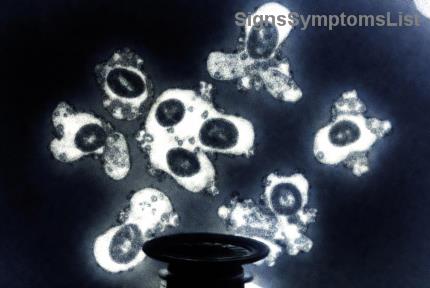
Hodgkin Lymphoma is a cancer of the lymphatic system, starting in white blood cells called lymphocytes. It's named after Thomas Hodgkin, who first described it in 1832. What sets it apart is the presence of Reed-Sternberg cells—large, abnormal cells that give the disease its hallmark appearance under a microscope.
Staging determines how far the cancer has spread. Advanced-stage Hodgkin Lymphoma refers to stages III and IV, where the disease has extended beyond the initial lymph nodes to other areas like the spleen, liver, bone marrow, or lungs. According to the latest data from leading oncology organizations, about 60% of Hodgkin Lymphoma cases are diagnosed at an advanced stage, but this doesn't spell doom—far from it.
Early detection is ideal, but even in advanced cases, the prognosis is encouraging. The five-year survival rate for stage III and IV exceeds 80% with current therapies, a testament to how treatable this cancer is. This statistic alone offers a glimmer of optimism: advanced-stage Hodgkin Lymphoma is often curable, especially when caught and treated promptly.
Is Advanced-Stage Hodgkin Lymphoma Curable? The Straight Answer
Yes, advanced-stage Hodgkin Lymphoma is curable for the majority of patients. Cure here means achieving complete remission—no detectable signs of cancer—and staying cancer-free long-term. Modern medicine has transformed what was once a dire diagnosis into a manageable condition with high success rates.
Why is it so responsive? Hodgkin Lymphoma cells are highly sensitive to chemotherapy and radiation. Combined with targeted therapies, these treatments can eradicate the disease even in advanced stages. Recent studies show that over 85% of patients with stage IV achieve long-term remission, often considered a cure after five years without recurrence. This isn't just medical jargon; it's real hope backed by science.
Imagine this: A patient in their 30s, diagnosed with widespread Hodgkin Lymphoma, completes treatment and rings the bell at their cancer center, celebrating the end of therapy. Stories like these are common, reminding us that while the road may be tough, the destination—freedom from cancer—is within reach.
Latest Treatments Revolutionizing Advanced-Stage Hodgkin Lymphoma Care
Treatment for advanced-stage Hodgkin Lymphoma has evolved rapidly, incorporating multimodal approaches that maximize efficacy while minimizing side effects. The cornerstone remains chemotherapy, but innovations are making cures more accessible and less burdensome.
1. Chemotherapy Regimens: The Gold Standard
The most common regimen is ABVD (Adriamycin, Bleomycin, Vinblastine, Dacarbazine), administered over 6-8 cycles. For advanced cases, it's often intensified with drugs like BEACOPP for higher-risk patients. Recent trials demonstrate that ABVD alone cures about 70-80% of stage III/IV cases, with even better outcomes when combined with other modalities.
🩺 Tip: Your oncologist will tailor the regimen based on your age, overall health, and specific risk factors to optimize cure rates.
2. Radiation Therapy: Precision Targeting
For advanced stages, radiation is used post-chemotherapy to zap residual disease in involved areas. Proton therapy, a cutting-edge option, spares healthy tissues better than traditional methods. This has boosted cure rates by 10-15% in recent protocols.
3. Immunotherapy and Targeted Therapies: The New Frontier
Checkpoint inhibitors like brentuximab vedotin (Adcetris) and PD-1 blockers (nivolumab, pembrolizumab) are game-changers. These drugs harness your immune system to attack Hodgkin Lymphoma cells. In relapsed or high-risk advanced cases, they achieve remission in up to 70% of patients. The latest FDA approvals have integrated these into frontline therapy, pushing cure rates higher.
For instance, the ECHELON-1 trial highlighted brentuximab's role in improving progression-free survival. If standard chemo isn't enough, these options provide a second (or first) chance at cure.
4. Stem Cell Transplant: For Refractory Cases
In rare instances where advanced-stage Hodgkin Lymphoma resists initial treatment (about 10-20% of cases), autologous stem cell transplant offers a curative path. Patients receive high-dose chemo followed by their own stem cells to rebuild the immune system. Success rates post-transplant exceed 50% for long-term cure.
✨ Emerging research into CAR-T cell therapy shows promise for even tougher cases, with early trials reporting complete responses.
Success Rates and Prognosis: Numbers That Inspire Hope
Let's look at the data that underscores why Hodgkin Lymphoma cure is realistic. The National Cancer Institute reports overall five-year survival for advanced-stage Hodgkin Lymphoma at 82-87%, with cure rates approaching 80% for those under 60. Factors like EBV status or bulky disease influence outcomes, but even then, tailored treatments yield strong results.
| Stage |
5-Year Survival Rate |
Cure Rate (Remission) |
Key Treatment |
| III |
85-90% |
75-85% |
ABVD + Radiation |
| IV |
80-85% |
70-80% |
ABVD + Immunotherapy |
| Relapsed Advanced |
50-70% post-transplant |
50-60% |
Stem Cell Transplant |
These figures are from the most recent analyses by the American Society of Clinical Oncology (ASCO). Remember, survival stats are improving yearly—your individual prognosis could be even better with personalized care.
😊 Hearing "You're in remission" is the goal, and for most, it's achievable. One survivor shared: "Advanced stage sounded scary, but treatment turned my life around. I'm cured and thriving."
Finding Solutions: Steps to Maximize Your Chances of Cure
While treatments are powerful, your active role is crucial. Here's how to pursue a Hodgkin Lymphoma cure:
- Seek Expert Care: Choose a center specializing in lymphoma, like those affiliated with the Lymphoma Research Foundation. Multidisciplinary teams ensure the best protocols.
- Monitor and Manage Side Effects: Fatigue, nausea, and infertility risks are common, but supportive care—like anti-nausea meds and fertility preservation—makes treatment tolerable.
- Lifestyle Support: A nutrient-rich diet, light exercise, and mental health support (e.g., counseling) boost resilience. Studies show stress reduction improves treatment outcomes.
- Follow-Up Vigilance: Post-treatment scans and check-ups catch any recurrence early, preserving your cure.
- Explore Clinical Trials: For cutting-edge options, sites like ClinicalTrials.gov list trials for advanced-stage Hodgkin Lymphoma, often leading to breakthroughs.
By partnering with your healthcare team, you're not just treating cancer—you're building a path to cure. Many patients report feeling stronger post-treatment, reclaiming life with renewed purpose.
Emotional Support: Navigating the Journey with Positivity
A Hodgkin Lymphoma diagnosis stirs fear, but community and mindset matter. Join support groups via the Leukemia & Lymphoma Society for shared stories of triumph. Practices like mindfulness have helped patients maintain hope, with research linking optimism to better adherence and outcomes.
You're not alone—millions have walked this path and emerged victorious. Focus on one step at a time: treatment, recovery, celebration.
Final Thoughts: A Curable Cancer with a Bright Future
In summary, yes—advanced-stage Hodgkin Lymphoma is curable. With chemotherapy, immunotherapy, and supportive innovations, remission is not just possible; it's probable. Stay informed, lean on experts, and hold onto hope. If this article has sparked questions, consult your doctor for personalized advice. Your story of survival could inspire others. Here's to health and healing! 👏
For more resources, visit trusted sites like the National Cancer Institute or Leukemia & Lymphoma Society.