Receiving a diagnosis of stage 4 lung cancer can feel overwhelming, but knowledge is a powerful ally. This advanced form of the disease, where cancer has spread beyond the lungs to distant organs like the brain, bones, or liver, raises tough questions: Is it curable? Can it be managed effectively? In this guide, we'll break it down with the latest insights, focusing on realistic hope and actionable steps. Whether you're a patient, caregiver, or loved one, understanding your options can light the way forward. Let's dive in and explore how modern medicine is transforming lives.
Understanding Stage 4 Lung Cancer: What Does It Mean?
Stage 4 lung cancer, also known as metastatic lung cancer, occurs when malignant cells from the lungs travel through the bloodstream or lymphatic system to other parts of the body. This staging is determined using the TNM system (Tumor, Node, Metastasis), where "M1" indicates distant spread. There are two main types: non-small cell lung cancer (NSCLC), which accounts for about 85% of cases, and small cell lung cancer (SCLC), known for its rapid progression.
Common symptoms include persistent cough, shortness of breath, chest pain, unexplained weight loss, and fatigue. Early detection is rare at this stage, but advances in imaging like PET-CT scans help pinpoint the extent. The good news? Research from leading organizations shows that stage 4 lung cancer survival rates are improving due to targeted therapies and immunotherapies. According to the American Cancer Society, the five-year relative survival rate for distant-stage NSCLC is around 8-10%, but this varies widely based on factors like age, overall health, and genetic markers.
Emotionally, this diagnosis can stir fear and uncertainty, but many patients find strength in community support and personalized care plans. You're not alone—millions are navigating this with resilience.

Is Stage 4 Lung Cancer Curable? The Honest Answer
Straight to the point: Is stage 4 lung cancer curable? In most cases, no—it's not considered curable in the traditional sense, meaning complete eradication of all cancer cells is rare. Unlike earlier stages where surgery can remove tumors, stage 4's widespread nature makes total cure challenging. However, "incurable" doesn't mean "untreatable." Remission—where the cancer shrinks or becomes undetectable—is possible for some, especially with emerging treatments.
Recent breakthroughs offer real hope. For instance, targeted therapies like osimertinib for EGFR-mutated NSCLC have shown patients living years beyond initial expectations. Clinical trials report cases of long-term remission, with some individuals achieving no evidence of disease (NED) status. A study in the New England Journal of Medicine highlighted how combining immunotherapy with chemotherapy extended progression-free survival by months to years.
🌟 Key Fact: Curability depends on biomarkers. If your tumor has actionable mutations (e.g., ALK, ROS1), precision medicine can target them effectively, sometimes mimicking a "cure-like" outcome.
While a full cure remains elusive for many, the focus shifts to quality of life and longevity. This mindset empowers patients to seize control and explore management strategies that make every day count.
Managing Stage 4 Lung Cancer: Effective Strategies for Better Outcomes
Yes, stage 4 lung cancer is manageable—and increasingly so with today's arsenal of treatments. Management aims to control symptoms, slow progression, and enhance well-being. Here's a focused look at proven approaches, drawing from the latest guidelines from the National Comprehensive Cancer Network (NCCN).
1. Systemic Therapies: The Cornerstone of Treatment
Unlike localized treatments, systemic options attack cancer throughout the body:
- Chemotherapy: Drugs like cisplatin combined with pemetrexed remain a backbone, shrinking tumors and easing symptoms. Side effects are manageable with modern anti-nausea meds.
- Targeted Therapy: For specific genetic alterations, drugs like alectinib (for ALK-positive) can halt growth with fewer side effects. Testing tumors for mutations is crucial—up to 30% of NSCLC cases qualify.
- Immunotherapy: Checkpoint inhibitors such as pembrolizumab boost your immune system to fight cancer. In recent trials, it has doubled response rates in PD-L1 positive patients, leading to longer survival.
Combination therapies are game-changers. For example, the KEYNOTE-189 trial showed immunotherapy plus chemo improving overall survival by 22% in metastatic NSCLC.
2. Radiation and Local Therapies
Even in stage 4, radiation targets painful metastases (e.g., to bones) for quick relief. Stereotactic body radiotherapy (SBRT) precisely zaps small distant tumors, sometimes allowing patients to pause systemic treatments.
3. Palliative and Supportive Care
Management isn't just about fighting cancer—it's about living fully. Palliative care integrates early to manage pain, fatigue, and emotional distress. Hospice becomes an option later, focusing on comfort without sacrificing hope.
💡 Tip: Integrate lifestyle changes like a nutrient-rich diet, gentle exercise, and stress reduction (e.g., yoga) to boost resilience. Studies show these can improve tolerance to treatments and quality of life.

Stage 4 Lung Cancer Survival Rates: What the Latest Data Shows
Stage 4 lung cancer survival rates have climbed steadily thanks to innovation. The SEER database from the National Cancer Institute reports a median survival of 12-15 months for treated metastatic NSCLC, up from under a year a decade ago. For SCLC, it's shorter at 8-12 months, but responders to immunotherapy fare better.
Factors influencing survival include:
| Factor |
Impact on Survival |
| Genetic Mutations |
Positive (e.g., EGFR): Can extend life to 3+ years with targeted drugs |
| Performance Status |
Good health allows aggressive treatment, improving outcomes by 20-30% |
| Access to Clinical Trials |
Enrolling can access cutting-edge options, boosting survival in 40% of cases |
| Age and Comorbidities |
Younger, healthier patients see 15-25% better rates |
These numbers are averages—many outlive them. Stories of five-year survivors with stage 4 inspire, reminding us that statistics are starting points, not destinies.
Finding Solutions: Steps to Empower Your Journey
To turn knowledge into action, consider these practical solutions:
- Consult Specialists: Seek a multidisciplinary team at a NCI-designated cancer center for tailored plans.
- Get Genetic Testing: Biomarker analysis guides the best therapies—insist on it early.
- Explore Clinical Trials: Platforms like ClinicalTrials.gov list thousands of studies. For more, visit cancer.gov.
- Build Support Networks: Join groups like the Lung Cancer Alliance for emotional and practical help.
- Monitor and Adapt: Regular scans track progress; don't hesitate to switch treatments if needed.
These steps not only manage the disease but foster hope. Imagine regaining energy for family moments or pursuing passions—many do.
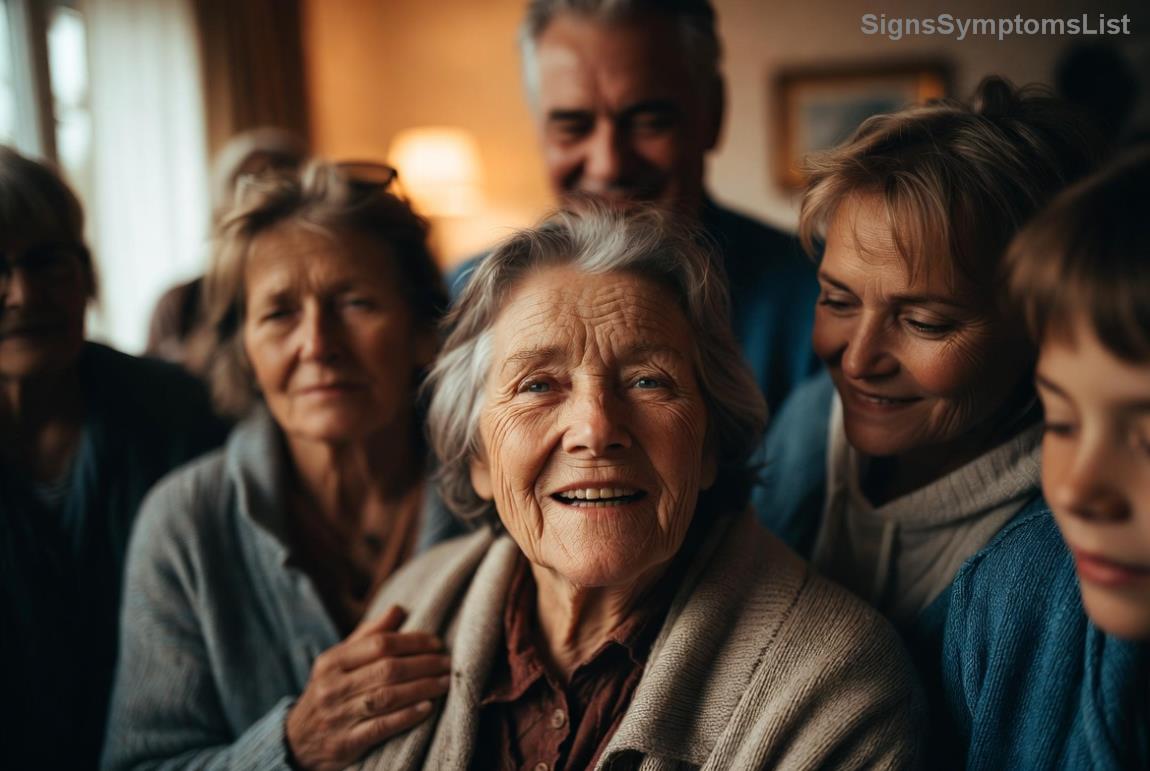
Emotional Resilience: Thriving Amid the Challenge
Beyond treatments, emotional health is vital. Advanced lung cancer can strain relationships and self-image, but counseling, mindfulness, and peer support counteract this. Books like "When Breath Becomes Air" by Paul Kalanithi offer profound perspectives on living meaningfully.
Remember, progress is personal. Celebrate small wins, like a pain-free day or a clear scan. With the right mindset and resources, managing stage 4 lung cancer becomes a testament to human strength.
Looking Ahead: The Future of Stage 4 Lung Cancer Care
Exciting developments, including CAR-T cell therapies and AI-driven drug discovery, promise even better management. Stay informed through reputable sources like the American Lung Association.
In closing, while stage 4 lung cancer may not always be curable, it's profoundly manageable for many. Armed with the latest treatments and a supportive approach, you can navigate this with grace and optimism. If this resonates, share your story or questions in the comments—together, we build hope. Consult your doctor for personalized advice; this is your path to take.