Navigating colorectal cancer treatment can feel overwhelming, with physical challenges often compounded by emotional turmoil. But what if a key to enhancing your mental health lies within your own body—specifically, your gut? The emerging science of the gut-brain connection reveals how nurturing your gut microbiome can significantly alleviate anxiety, depression, and stress during this journey. In this guide, we'll explore this vital link and share actionable, uplifting strategies to empower you toward better emotional resilience.

What Is the Gut-Brain Connection?
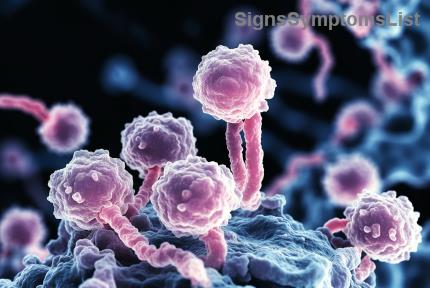
The gut-brain axis is a bidirectional communication network between your gastrointestinal tract and your central nervous system. It's like an invisible highway where signals travel via nerves, hormones, and immune molecules, influencing mood, cognition, and behavior. For those undergoing colorectal cancer treatment, this axis is particularly relevant because treatments like chemotherapy and radiation can disrupt the gut microbiome—the trillions of bacteria, fungi, and other microbes living in your intestines.
Recent research highlights how a healthy gut microbiome supports the production of neurotransmitters like serotonin (often called the "feel-good" chemical), with about 90% of it made in the gut. Disruptions, known as dysbiosis, can lead to inflammation that affects brain function, exacerbating symptoms of depression and anxiety common in cancer patients. But here's the hopeful part: by fostering a balanced gut, you can potentially restore this harmony and improve your mental health.
Why the Gut-Brain Connection Matters During Colorectal Cancer Treatment
Colorectal cancer treatment often involves surgery, chemotherapy, or immunotherapy, all of which can alter gut flora. Studies show that up to 70% of cancer patients experience mental health challenges, including heightened anxiety and fatigue. The gut's role? A disrupted microbiome can worsen these by increasing gut permeability ("leaky gut"), allowing toxins to enter the bloodstream and trigger brain inflammation.
Encouragingly, the latest findings from institutions like the American Cancer Society emphasize that supporting gut health can mitigate these effects. For instance, a balanced microbiome enhances the efficacy of treatments and bolsters emotional well-being, helping patients feel more in control and optimistic. Imagine reducing treatment-related blues through simple dietary tweaks—it's a game-changer for your overall quality of life.
Practical Strategies to Harness the Gut-Brain Connection
Ready to take charge? Here are focused, evidence-based steps to strengthen your gut-brain connection and elevate your mental health during colorectal cancer treatment. These aren't quick fixes but sustainable habits that build resilience, one day at a time.
1. Prioritize a Microbiome-Friendly Diet
Your diet is the foundation of gut health. Focus on fiber-rich foods that feed beneficial bacteria, such as fruits, vegetables, whole grains, and legumes. Prebiotic foods like garlic, onions, and bananas act as fertilizers for your gut microbes, promoting serotonin production for better mood stability.
For cancer patients, opt for easily digestible options to avoid discomfort. Incorporate probiotic-rich fermented foods like yogurt, kefir, or sauerkraut (if tolerated post-treatment). Recent guidelines from the National Cancer Institute recommend a Mediterranean-style diet, which has been linked to reduced depression symptoms in oncology studies.
- 🌟 Tip: Start with small portions—aim for 25-30 grams of fiber daily to gently rebuild your gut without overwhelming your system.
- 😊 Include omega-3-rich foods like salmon or flaxseeds, which combat inflammation and support brain health.
2. Stay Hydrated and Consider Targeted Supplements
Hydration keeps your gut lining intact, facilitating smooth communication along the gut-brain axis. Aim for 8-10 glasses of water daily, infused with lemon for a refreshing twist that aids digestion.
Supplements can be a boost, but consult your oncologist first. Probiotics (strains like Lactobacillus and Bifidobacterium) have shown promise in recent clinical trials for reducing chemotherapy-induced gut issues and improving mood. A 2026 meta-analysis in Gut journal confirmed their role in alleviating anxiety in cancer cohorts.
Avoid self-prescribing; personalized advice ensures safety amid treatment.
3. Incorporate Mindful Movement and Stress-Reduction Techniques
Physical activity stimulates gut motility and releases endorphins, bridging the gut-brain connection. Gentle exercises like walking or yoga are ideal during colorectal cancer treatment, as they enhance microbiome diversity without strain.
Pair this with mindfulness practices: Meditation or deep breathing activates the vagus nerve, a key gut-brain communicator, reducing cortisol levels. Apps offering guided sessions tailored for cancer patients can make this accessible and uplifting.
| Activity |
Gut-Brain Benefit |
Easy Start Tip |
| Daily Walk (20 minutes) |
Boosts serotonin via gut motility |
👉 Pair with nature sounds for added calm |
| Yoga Poses |
Reduces inflammation, balances microbiome |
Begin with child's pose for gentle relief |
| Meditation (10 minutes) |
Strengthens vagus nerve signaling |
Focus on breath to ease treatment anxiety |
4. Build a Supportive Routine and Seek Professional Guidance
Consistency is key. Track your mood and diet in a journal to spot patterns—perhaps more fermented foods correlate with brighter days. Connect with support groups; sharing experiences fosters a sense of community that amplifies the emotional benefits of gut health.
Work with a registered dietitian specializing in oncology or a mental health professional familiar with the gut-brain connection. They can tailor plans to your treatment stage, ensuring you're not just surviving but thriving.
Real-Life Wins: Stories of Hope
Meet Sarah, a colorectal cancer survivor who transformed her treatment experience by embracing gut-focused habits. "After chemo left me drained and anxious, incorporating probiotics and mindful eating shifted everything," she shares. "My mood stabilized, and I felt empowered." Stories like hers underscore the tangible impact—reduced hospital visits, better sleep, and a renewed zest for life.
Research backs this: A recent study from the World Gastroenterology Organisation found that gut health interventions improved quality of life scores by 25% in colorectal patients, highlighting the profound mental health uplift.
Potential Challenges and How to Overcome Them
It's normal to face hurdles, like treatment side effects making certain foods unappealing. Start slow: If fiber causes bloating, introduce it gradually. For persistent issues, a low-FODMAP diet modified for cancer can help while preserving microbiome benefits.
Remember, setbacks aren't failures—they're steps toward progress. Celebrate small victories, like a day with less worry, to keep motivation high. If mental health dips severely, reach out to professionals immediately; integrated care is your ally.
Final Thoughts: Empower Your Journey
The gut-brain connection isn't just science—it's a beacon of hope for those in colorectal cancer treatment. By nurturing your gut, you're investing in a stronger mind, ready to face challenges with clarity and positivity. You've got this; small, intentional changes can lead to profound emotional freedom. Consult your healthcare team to personalize these insights, and step into a brighter, more balanced tomorrow.
For more on gut health in cancer care, explore resources from trusted sources like the National Cancer Institute or the World Gastroenterology Organisation.