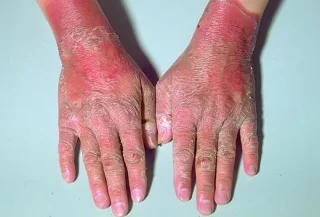
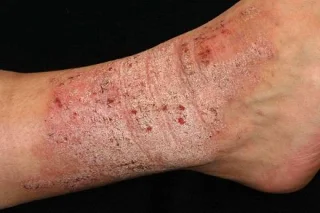
If your scalp becomes itchy, tender, flaky, or red after dry shampoo, keep a dated product timeline: record each exposure, when symptoms started, where they appeared, what changed, and what you did. This can help you and a clinician see patterns; it cannot prove that dry shampoo caused the problem or identify an ingredient. Stop using the suspected product while the reaction is active, and do not deliberately apply it again to test your theory.
Prerequisites
| What you need | Estimated time | Difficulty |
|---|---|---|
| A notebook or private phone note, the dry shampoo container or a clear photo of its label, and a phone camera | About 10–15 minutes to set up; 1–2 minutes for each daily entry while symptoms are present | Easy |
The time estimates are practical planning estimates, not results of a product test. A scalp reaction may have more than one possible cause. Contact dermatitis can be irritant or allergic, and it can resemble other scalp conditions. The American Academy of Dermatology notes that hair and scalp products can be relevant exposures; a clinical review also describes varied scalp presentations and the value of a detailed product history. Read the AAD guidance on itchy rashes and contact dermatitis and the review of allergic contact dermatitis of the scalp.
Step 1: Start the record with dates and symptoms
Write down the first day you noticed a change, even if you are estimating. Describe symptoms in plain language: itch, burning, soreness, tightness, flakes, bumps, redness, swelling, crusting, or hair shedding. Note when each symptom began, whether it is improving or worsening, and how much it interferes with sleep or daily activities. You can use a simple 0–10 scale for itch or discomfort, but keep the same scale each day.
Record what you can see without scratching or repeatedly parting the hair. Include the location—such as the crown, hairline, behind the ears, or neck—and whether symptoms extend beyond the scalp. An allergic contact reaction may be delayed; MedlinePlus says a rash may not appear until 24–48 hours after contact. The timeline should therefore include exposures from the days before symptoms, not only what you used immediately before noticing them. See MedlinePlus information on contact dermatitis.
Step 2: Log every dry-shampoo exposure and nearby product
For each use, note the date and approximate time, product name, exact variant or scent, where you sprayed it, how much you used if you remember, whether you applied it to dry or damp hair, and when you next washed your hair. Copy the ingredient list from the can or take a readable photo of it. Keep the package, since the label may help a clinician review ingredients and product details.
Also record other exposures that could matter: shampoo, conditioner, styling spray, hair dye, leave-in products, scalp medication, hats, hair accessories, laundry products, and changes to your usual routine. Write “not sure” instead of filling gaps with guesses. A timeline works best as a record of what happened, not a verdict about the cause.
Step 3: Photograph changes consistently
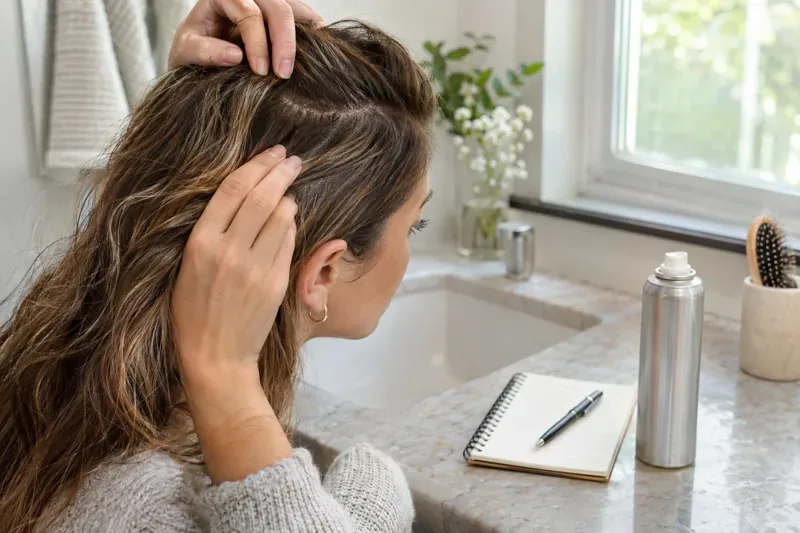
If you are comfortable doing so, take a few clear photographs when symptoms first appear and again when they noticeably change. Use bright, even lighting and the same angle and distance when possible. Part the hair gently in the same location, and include one wider view to show the area and one closer view for detail. Avoid filters, beauty settings, and flash glare; keep the original files so the color and texture are not altered.
Add the photo date to your record and note whether the area was wet, recently washed, or covered with product. Do not scrape scale, squeeze bumps, or delay care to get a better image. Photos are optional, private health information; store them somewhere you control and share them only with your care team if you choose.
Step 4: Note what you stopped or changed
Record when you stopped using the suspected dry shampoo and any other steps you took, such as washing your hair or changing another product. Note whether symptoms improved, stayed the same, or worsened, and over what period. This is useful context, but improvement after stopping does not by itself establish an allergy or confirm the product was responsible.
Do not reapply the product to your scalp or conduct a home patch test with it to see whether symptoms return. Intentional re-exposure may trigger another reaction, and consumer home testing cannot replace clinician-directed evaluation. Ask a dermatologist or other clinician whether testing is appropriate. The AAD recommends avoiding a suspected product and discussing persistent or recurring itchy rashes with a dermatologist.
Step 5: Bring a concise summary to your appointment
At the top of the timeline, write a short summary: when the problem began, the first and most recent dry-shampoo uses, the affected areas, whether symptoms are changing, and what you have already stopped or tried. Bring the product container or clear photographs of its full label, plus the timeline and selected dated photos. List relevant skin conditions, allergies, medications, and hair products you use regularly. Do not stop a prescribed medicine without advice from the prescriber.
A clinician may consider several explanations and decide whether an examination, treatment, or formal patch testing is useful. Patch testing is a clinician-run method for assessing delayed skin allergy; it is not something to improvise at home. The scalp review notes that a detailed exposure history and, in some cases, evaluation using a patient’s own products may help guide assessment. Your care team can advise how to bring or handle a product safely.
Worked example
June 4, 8:00 a.m.: Used dry shampoo at the crown and temples; first use of this can in several weeks. June 5, evening: Itch began near the hairline; itch 4/10; no pain. June 6: Flaking noticed behind both ears; took photos in daylight; no new shampoo or hair dye. June 6, evening: Stopped dry shampoo; washed hair as usual. June 8: Itch 2/10, flaking still present. This example records timing and observations without labeling a diagnosis or claiming the product caused the symptoms.
Troubleshooting
- You cannot remember exact use times: Mark entries as approximate and use calendar events, receipts, or photos only as reminders. Do not invent precise dates.
- The scalp is hard to photograph through your hair: Ask someone you trust to help, use gentle consistent parting, or skip photographs and keep written notes. A clinician can examine the scalp directly.
- You used several products around the same time: List each one separately with its use date and label. Avoid adding or restarting products just to isolate a trigger; ask your clinician how to simplify your routine safely.
When to seek care
Contact a healthcare professional if the rash is severe, persistent, recurring, not improving, or associated with increasing warmth, tenderness, drainage, or fever. Seek emergency help for trouble breathing, faintness, or rapidly developing swelling of the face, lips, tongue, or throat. Do not wait to finish a timeline if symptoms are urgent. MedlinePlus advises contacting a provider for severe reactions, lack of improvement, or possible infection; emergency symptoms require urgent help according to local emergency guidance.
Frequently asked questions
How long after dry shampoo should I record a scalp reaction?
Start the record as soon as you notice a change and look back over recent exposures. MedlinePlus notes that contact dermatitis can appear 24–48 hours after contact, but timing varies and a timeline cannot diagnose the cause. Include product uses from the days before symptoms and continue brief notes while the condition changes.
Should I use dry shampoo again to confirm it caused the irritation?
No. Stop the suspected product while you seek guidance, and do not intentionally expose your scalp again as a test. Re-exposure could bring symptoms back or make a reaction worse. A clinician can decide whether evaluation or patch testing is appropriate.
What should I bring to a dermatologist for scalp irritation?
Bring the dated exposure and symptom timeline, the dry-shampoo can or clear photos of the full ingredient label, a list of other hair and scalp products, and a few unedited photos showing how the area changed. Include relevant medicines and skin history, and ask the clinic if it has specific instructions for bringing personal products.