Imagine catching a silent threat early, before it has a chance to spread. That's the reality for many facing stage 1 ovarian cancer. If you're wondering, "Is stage 1 ovarian cancer curable?", the answer is a resounding yes—in most cases. This early stage means the cancer is confined to the ovaries, offering the best shot at full recovery. In this guide, we'll dive into the facts, treatments, and empowering steps to help you or a loved one navigate this journey with optimism and clarity. Let's explore how early detection and modern medicine can turn the tide.
Understanding Stage 1 Ovarian Cancer: The Basics
Stage 1 ovarian cancer is the earliest phase of this disease, where malignant cells are limited to one or both ovaries. According to the American Cancer Society, it's divided into sub-stages: 1A (one ovary), 1B (both ovaries), and 1C (with potential surface involvement or fluid). Unlike later stages, it hasn't spread to the abdomen or beyond, which dramatically improves outcomes.
Why does this matter? Early diagnosis flips the script from overwhelming to manageable. Symptoms might be subtle—like bloating or pelvic pain—but recognizing them can lead to life-saving intervention. The good news? With stage 1 ovarian cancer, cure rates soar, giving patients a beacon of hope.
Is Stage 1 Ovarian Cancer Curable? The Promising Prognosis
Yes, stage 1 ovarian cancer is curable for the majority of patients. Recent data from the National Cancer Institute highlights a 5-year survival rate exceeding 90% for this stage. This isn't just a statistic—it's a testament to how far we've come in oncology. Factors like tumor type (e.g., epithelial vs. germ cell) and patient health play roles, but early intervention often leads to complete remission.
Consider this: In high-grade serous cases, even aggressive forms respond well when caught at stage 1. Low-grade tumors, common in younger women, have even higher cure potential. The key? Prompt treatment that removes the cancer entirely, preventing recurrence. For many, "curable" means returning to a full, vibrant life post-recovery.
Latest Treatments for Stage 1 Ovarian Cancer: What Works Best
Treatment for stage 1 ovarian cancer is tailored but often straightforward. Surgery remains the cornerstone—typically a hysterectomy with oophorectomy to excise the ovaries and uterus. This alone can cure the disease in 70-90% of cases, per guidelines from the National Comprehensive Cancer Network (NCCN).
For added assurance, adjuvant chemotherapy might follow, especially in higher-risk sub-stages. Recent advancements include targeted therapies like PARP inhibitors for BRCA-mutated cancers, boosting cure rates by addressing genetic vulnerabilities. Immunotherapy is emerging too, showing promise in clinical trials for minimal residual disease.
Here's a quick overview of standard approaches:
| Treatment Type |
Description |
Success Rate for Stage 1 |
| Surgery |
Removal of ovaries, fallopian tubes, and possibly uterus |
90%+ cure rate |
| Chemotherapy |
Drugs like carboplatin and paclitaxel post-surgery |
Reduces recurrence by 20-30% |
| Targeted Therapy |
PARP inhibitors for genetic mutations |
Improves survival in 70% of eligible cases |
These options aren't one-size-fits-all; consult an oncologist for personalized plans. The emotional uplift? Knowing these treatments are highly effective, often sparing patients the grueling battles of advanced disease.
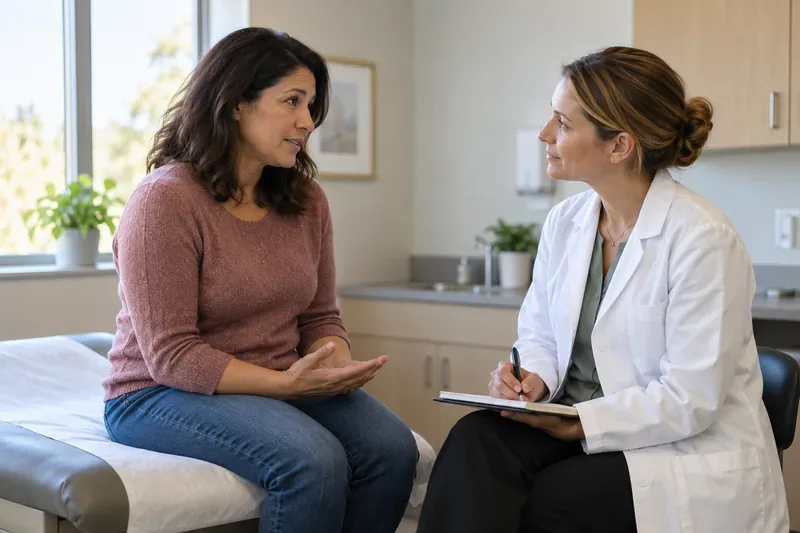
![Medical professional discussing ovarian cancer treatment options]()
Early Detection: Your First Line of Defense Against Ovarian Cancer
Prevention starts with awareness. While there's no routine screening for ovarian cancer, high-risk individuals (e.g., those with BRCA1/2 mutations) benefit from transvaginal ultrasounds and CA-125 blood tests. Lifestyle factors like maintaining a healthy weight and limiting hormone therapy can lower risks.
🩺 Tip #1: Track symptoms such as persistent bloating, fatigue, or changes in bowel habits. Early reporting to your doctor can catch stage 1 ovarian cancer before it advances.
For families with history, genetic counseling is a game-changer. Recent studies emphasize how proactive steps empower women to take control, turning potential fear into actionable hope.
Navigating Recovery: Emotional and Practical Support
Beyond the physical, recovery from stage 1 ovarian cancer involves emotional healing. Support groups like those from the Ovarian Cancer Research Alliance offer spaces to share stories and build resilience. Nutrition and light exercise aid healing, while counseling addresses anxiety.
Many survivors report thriving post-treatment—returning to work, travel, and family life. The prognosis is so positive that fertility-sparing options are viable for some younger patients, preserving dreams of motherhood.
⭐ Survivor Insight: "Catching it at stage 1 gave me my life back. With the right team, it's beatable." Real stories like this remind us: You're not alone, and recovery is within reach.
Factors Influencing Curability and Long-Term Outlook
Not all stage 1 ovarian cancer cases are identical. Tumor grade (low vs. high) affects prognosis—low-grade often cures with surgery alone, while high-grade may need chemo. Age, overall health, and genetics also factor in. For instance, BRCA-positive patients have tailored therapies that enhance curability.
Follow-up care is crucial: Regular check-ups monitor for recurrence, but with stage 1, the risk is low. Emerging research into liquid biopsies promises even earlier detection of any issues, ensuring lasting peace of mind.
Steps to Take If You Suspect Stage 1 Ovarian Cancer
1️⃣ **See a Specialist:** Start with a gynecologic oncologist for expert evaluation.
2️⃣ **Get Tested:** Ultrasounds, biopsies, and blood work confirm staging.
3️⃣ **Build Your Team:** Include surgeons, oncologists, and therapists for holistic care.
4️⃣ **Stay Informed:** Resources like the National Cancer Institute provide reliable updates.
These steps demystify the process, fostering confidence. Remember, early action is your superpower against ovarian cancer.
Embracing Hope: The Road to Full Recovery
In summary, is stage 1 ovarian cancer curable? Absolutely, with survival rates over 90% and advancing treatments paving the way. From surgery to innovative therapies, options abound for beating this disease early. If you're reading this, know that knowledge is power—early detection saves lives, and support surrounds you.
Take that first step today. Consult your doctor, join a community, and hold onto hope. Your story of recovery could inspire others. For more on ovarian cancer survival rates and treatments, explore trusted sources and keep the conversation going.
💪 You've got this—recovery is not just possible; it's probable.