In today's market, there are numerous drugs and functional foods designed to enhance immunity and resistance. Among these, Thymomodulin stands out as a specialized medication renowned for its immune-boosting properties and its role in supporting clinical symptoms for HIV/AIDS patients. But what exactly is Thymomodulin, and how does it work? Let’s dive deeper into this powerful immune modulator.
What is Thymomodulin?
Thymomodulin is a prescription medication that regulates and strengthens the immune system. It is primarily used to treat conditions related to bacterial and viral infections, immunodeficiency, and other immune-related disorders. Due to its potency, it is only available with a doctor's prescription.
Thymomodulin is available in two forms:
- Hard Capsules: Available in 60mg, 80mg, or 120mg strengths, typically packaged in boxes of 60 blisters with 10 tablets each.
- Oral Solution: 60mg/10ml.
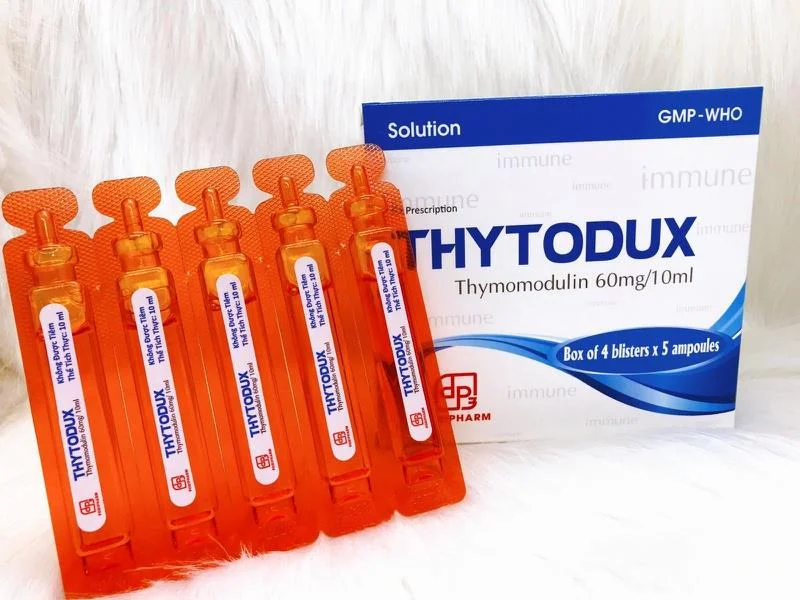
Thymomodulin is a powerful immune-boosting medication.
How Does Thymomodulin Work?
Thymomodulin is known for its immune-enhancing effects, but how does it achieve this? Here’s a breakdown of its mechanisms:
- Boosts White Blood Cells: Thymomodulin significantly increases the number of white blood cells, particularly T lymphocytes, which are crucial for immune defense.
- Stimulates Antibody Production: It stimulates the bone marrow to produce antibodies and promotes the formation of immune complexes to combat pathogens.
- Reduces Autoimmune Reactions: It modulates bone marrow immunity to reduce autoimmune conditions like rheumatoid arthritis.
- Treats Infections: Effective against bacterial and viral infections, including hepatitis, respiratory tract infections, and postpartum inflammation.
- Supports Cancer Treatment: Reduces side effects of chemotherapy and radiation in cancer patients.
- Alleviates Allergies and Asthma: Increases disease-fighting antibodies while reducing those that trigger allergic reactions.
Thymomodulin enhances the body's natural defenses.
Dosage of Thymomodulin for Different Groups
For Adults:
- Respiratory Tract Infections: 120mg/day for 4-6 months.
- Food Allergies: 120mg/day for 3-6 months.
- Allergic Rhinitis: 120mg/day for 4 months.
- HIV/AIDS Support: 60mg/day for 50 days.
- Elderly Immune Support: 160mg/day for 6 weeks.
For Children:
- Food Allergies: 120mg/day for 3 months.
- Airway Infections: 120mg/day for 20 days per month over 4 months.
Proper dosage ensures optimal results.
Important Notes When Using Thymomodulin
Since Thymomodulin is a prescription drug, it’s crucial to follow these guidelines:
- Inform your doctor about any medical history, allergies, or pregnancy/breastfeeding status.
- Thymomodulin may interact with other medications, so provide a complete list of your current drugs to your doctor.
- Side effects like fatigue, dizziness, or skin reactions may occur. Discontinue use and consult a doctor if these arise.
- Always follow the prescribed dosage and storage instructions.
Safety first when using Thymomodulin.
Conclusion
Thymomodulin is a powerful immune-boosting medication with proven benefits for conditions like HIV/AIDS, allergies, and infections. However, it should only be used under medical supervision. For more details, refer to our article on what Thymomodulin is and its uses. Always consult your doctor before starting any new medication.