Accidentally Took a Medicine Dose Twice? What to Do Now
Took an extra medicine dose by mistake? Learn when to call Poison Control or 911, what details to gather, and what not to do while you get advice.
If you realize you took a medicine dose twice, do not try to judge the risk by the number of pills or by how you feel. The right response depends on the exact medicine, strength, amount, timing, formulation, and the person who took it. Some accidental double doses cause little or no harm; others need prompt treatment. Contact a poison center or a medical professional now for advice specific to the situation, even if there are no symptoms.
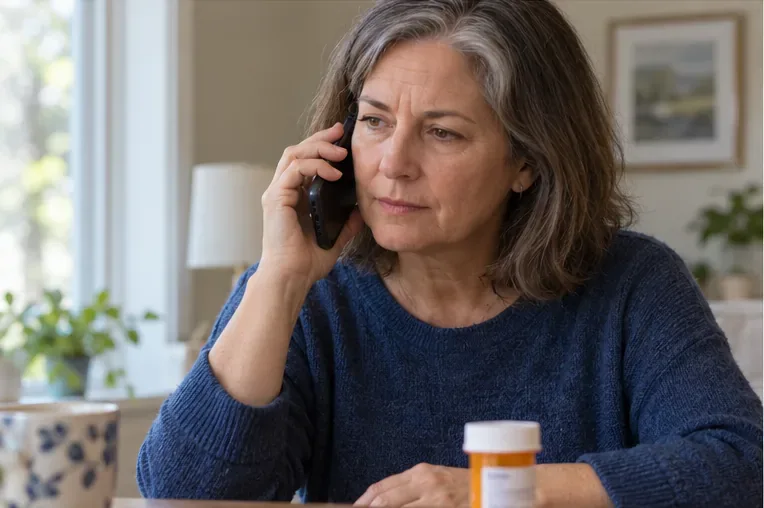
In the United States, call Poison Control at 1-800-222-1222 or use PoisonHelp.org. These services are available around the clock. If someone has trouble breathing, collapses, has a seizure, or cannot be awakened, call 911 immediately. Outside the United States, contact your local poison center or emergency service.
Move the medicine away so no one takes another dose by mistake. If the person is unconscious, having a seizure, struggling to breathe, or cannot be awakened, call 911; do not wait to look up the medicine or complete an online form. Do not give anything by mouth to someone who is not fully alert.
For a person who is awake and breathing normally, call Poison Control promptly. Do not wait for symptoms to appear. Some medication effects take time, and feeling normal right now does not establish that the extra dose is harmless. If symptoms are present but not immediately life-threatening—for example, new unusual sleepiness, dizziness, vomiting, or confusion—tell the poison specialist and follow their instructions. Call 911 if symptoms become severe or the person’s condition worsens quickly.
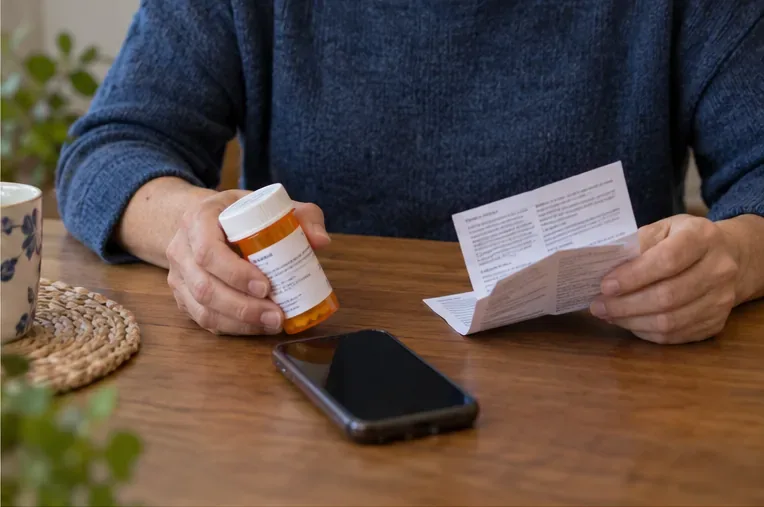
Have the container, pharmacy label, or package insert nearby. A formulation is the way a medicine is made and released, such as immediate-release, extended-release, liquid, or a tablet that should not be crushed. The exact formulation can affect how an extra dose is handled.
If you are unsure whether a dose was actually repeated, say that clearly rather than guessing. A specialist can work with uncertainty. Do not postpone the call while searching for every detail; share what you know first and look for the package while speaking if needed.
In the United States, Poison Control’s phone line connects callers with poison specialists, and the official online service can provide guidance for eligible exposures. Use Poison Control’s double-dosing guidance to understand the process, or contact the center directly. The specialist may recommend observation at home, a call to your clinician, or urgent evaluation; the recommendation depends on the details you provide.
Some medicines deserve especially prompt expert review after an extra dose. Examples include medicines for diabetes, blood pressure or other heart conditions, ADHD, psychiatric conditions, and pain. Long-acting formulations and medicines already taken near their maximum prescribed amount can leave less room for error. These examples are not a complete list and do not tell you whether a particular dose is dangerous. A child, an older adult, someone who is pregnant, or a person with significant kidney or liver disease may need individualized advice. Call rather than trying to calculate risk from a general web page.
For a child who may have taken an adult’s medicine, a medicine not prescribed for them, or an unknown amount, call Poison Control immediately. If the ingestion was intentional or may involve self-harm, get emergency help now; do not rely on an online symptom checker.
Follow the poison specialist’s or clinician’s instructions, including whether the person needs monitoring or an in-person evaluation. If you are directed to seek urgent care, bring the medicine packaging and a list of other medicines. If symptoms change while you are following advice, call back or seek emergency care as directed.

A “double dose” can mean different things: two tablets instead of one, an early repeat dose, or two products that contain the same active ingredient. The risk also depends on whether the medicine is immediate- or extended-release, the person’s body size and health, and interactions with other substances. For that reason, internet advice about a different drug—or even the same drug taken at another amount or time—may not fit.
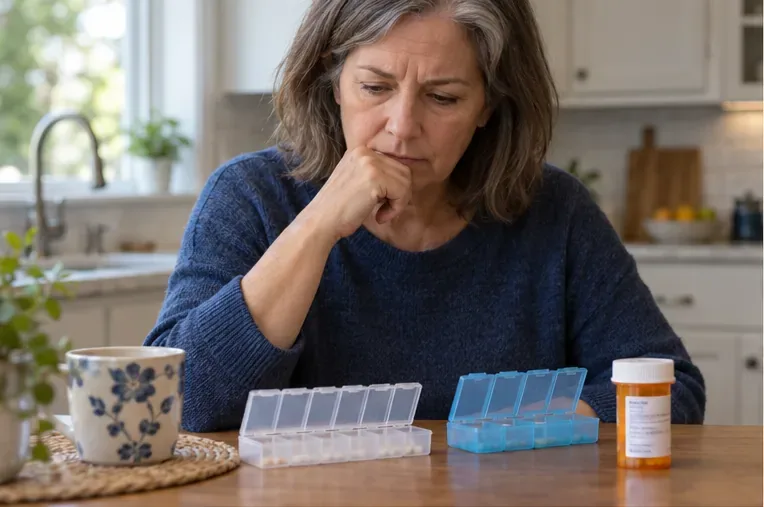
It is common to make a medication mistake when routines change, doses are managed by more than one person, or a pill organizer makes it hard to remember what was taken. That explains how the error can happen; it does not predict the medical outcome. Poison Control can help distinguish a situation suitable for home observation from one that needs treatment.
Before ending the call, repeat the instructions back in your own words: what to watch for, who to contact if symptoms appear, and what to do about the next scheduled dose. Write down the time of the call and the advice. If you were told to seek care, confirm where to go and take the medicine packaging with you. When symptoms are severe, call 911 instead of spending time on this checklist.
For prevention, use one up-to-date medication list and a dose-tracking method that fits your routine, such as a dated organizer or a written check-off log. Keep medicines in their original labeled containers when practical, and ask a pharmacist about a safer system if multiple people help manage doses. If another dose might already have been taken, pause and get professional advice before making changes.
Sources checked September 30, 2026: Poison Control: Double dosing; America’s Poison Centers: PoisonHelp.org; MedlinePlus: Poisoning first aid. This article offers general information and cannot determine whether a specific exposure is safe or diagnose a person.
Took an extra medicine dose by mistake? Learn when to call Poison Control or 911, what details to gather, and what not to do while you get advice.
Rotundin is used to treat pain caused by osteoarthritis or to help relieve pain in dental treatment. Learn about its price, effects, dosage, side effects, and precautions.
Learn about Effer Paralmax Extra effervescent tablets, their uses, side effects, and precautions. Consulted by pharmacist Nguyen Ngoc Cam Tien for safe and effective pain relief.
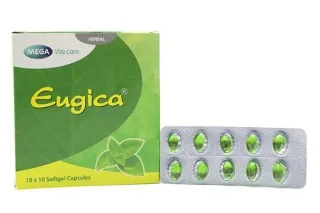
Eugica is a natural cough medicine that helps disinfect and relieve cough symptoms. Learn about its uses, dosage, side effects, and precautions in this comprehensive guide.
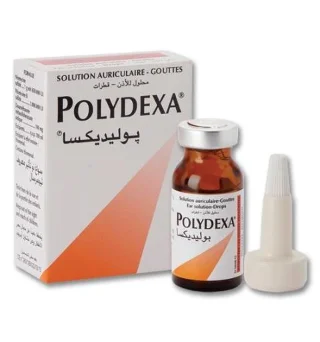
Discover everything about Polydexa ear drops, including their uses, dosage, side effects, precautions, and price. Learn how to use Polydexa effectively for ear infections.
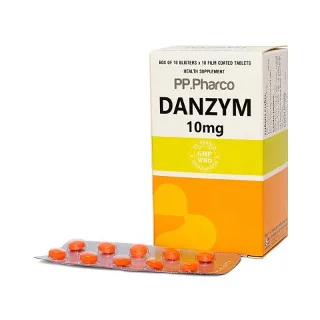
Discover the benefits, dosage, side effects, and precautions of Danzym 10Mg Usarich anti-inflammatory oral tablet. Learn how to use it effectively for joint pain and inflammation relief.
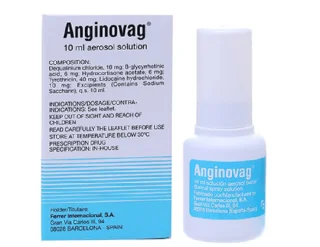
Discover how Anginovag spray treats tonsillitis, pharyngitis, mouth ulcers, and throat infections. Learn about proper dosage, side effects, and expert safety recommendations.
Discover Fraizeron (secukinumab): its uses for psoriasis, psoriatic arthritis & ankylosing spondylitis, dosage guidelines, side effects, and crucial safety tips from medical experts.
Pharmacist Tran Van Thy explains Flusort nasal spray uses, dosage, side effects & expert tips for allergic rhinitis treatment. Learn how to optimize this corticosteroid spray.
Expert guide by Pharmacist Nguyen Hoang Bao Duy on Viartril-S (glucosamine sulfate): Discover its role in osteoarthritis treatment, proper dosage, side effects, and essential safety tips for optimal joint health.